Teamplay / PRACTICAL GUIDE
Useful communication gives a teammate a next decision. Build concise callouts around location, observation and your intended action.
Lead with a shared location
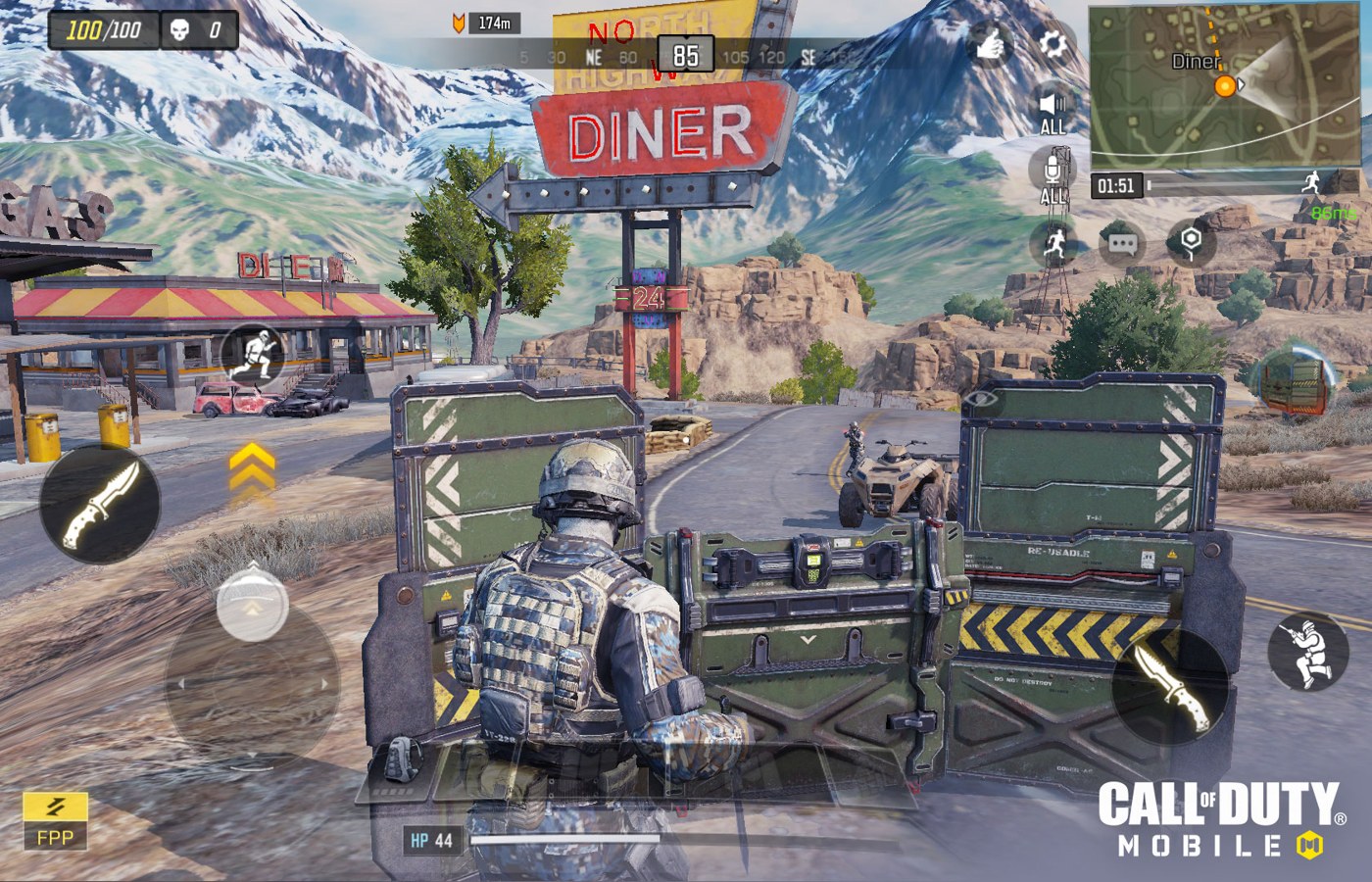
Use a landmark that the group understands. A short description of a building or route can be clearer than a direction that changes when a teammate turns. Agree on a few names outside the match rather than inventing a new label during every encounter. This article uses a COD Mobile battle-royale illustration as context; the communication pattern can be adapted to other team modes.
Report the observation rather than a story
A teammate usually needs the most recent useful fact, not a full explanation of how the encounter began. State whether you saw one opponent, heard activity or lost visual contact. Those are different levels of certainty. Avoid converting a sound into a definite enemy count. If the information becomes old, update it briefly or say that you no longer have confirmation.
Add your next action
A location becomes more useful when paired with a plan: holding cover, withdrawing or waiting for another player. This helps the team avoid two people making incompatible moves. Keep the plan within what you can actually do. A calm, brief update is more actionable than repeated demands to push without explaining the route or timing.
Leave room for other people
After a clear callout, stop speaking long enough for teammates to respond or hear the game. Do not fill every pause with blame or repeated instructions. Use the game’s mute and reporting tools when needed, and do not share personal information. Good communication is cooperative; it cannot guarantee that unfamiliar teammates will follow a plan.