Aim Practice / PRACTICAL GUIDE
Good preparation can reduce how far you need to move the view when a target appears. Practise looking toward the next likely encounter.
Anticipate an opening, not an exact opponent
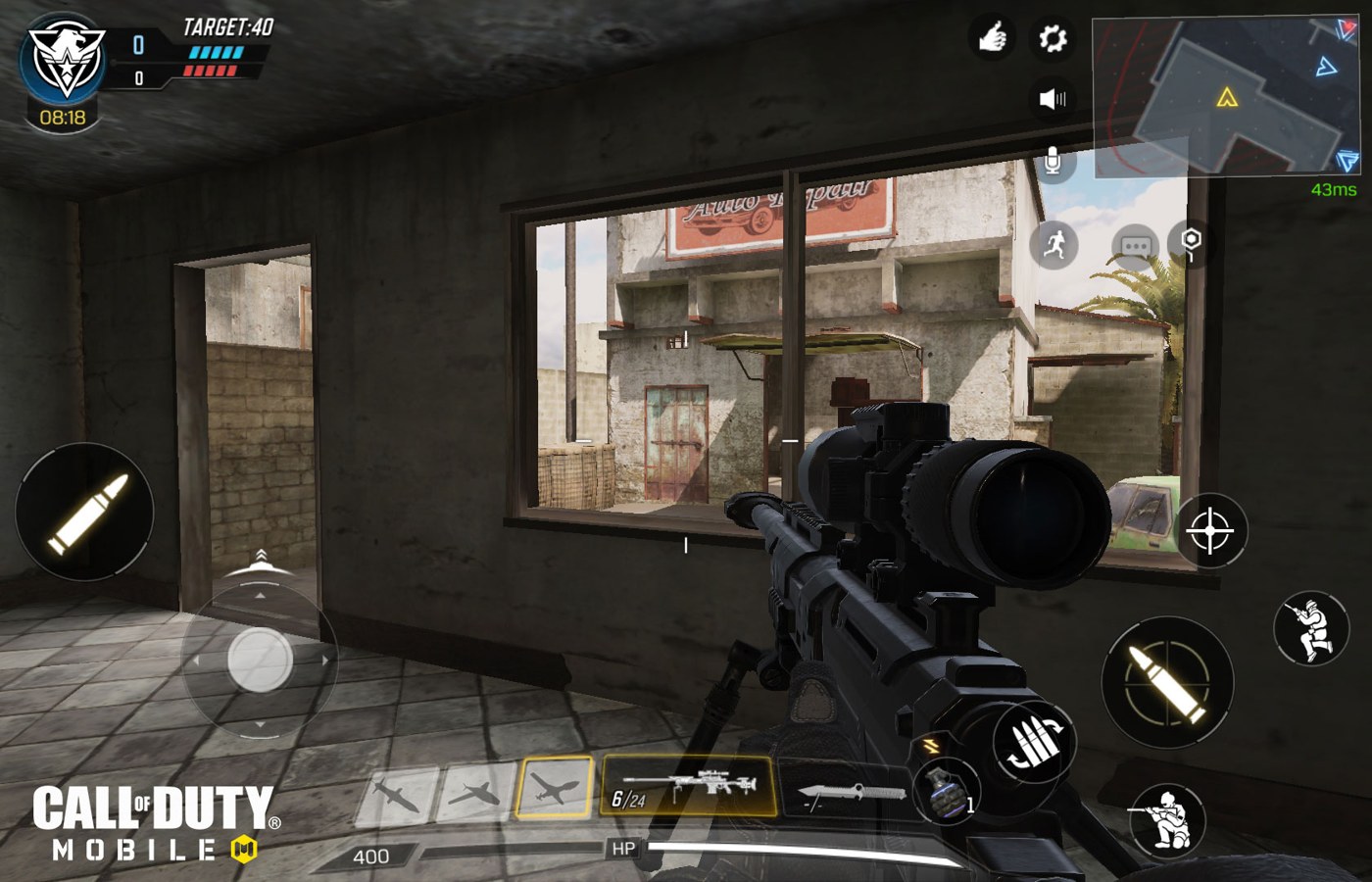
Choose a doorway, corner or path that you are about to reveal. Direct the view toward that opening before stepping into it. This does not predict where every opponent will stand; it reduces unnecessary movement if the expected area becomes relevant. Keep enough awareness of nearby routes that anticipating one angle does not become tunnel vision.
Match the environment
Stairs, slopes and raised positions change the useful aiming area. A habit learned on flat ground may not transfer directly to a vertical route. Move slowly through a familiar space and ask what portion of the scene deserves attention next. Treat this as route reading as much as mechanical aiming. The goal is a smaller correction, not a rigid rule about head height in every situation.
Practise with a movement constraint
Choose a short route and limit yourself to deliberate, controlled turns. If you repeatedly swing far past an opening, slow down and inspect why. A poor starting view can create a large emergency correction even with a comfortable sensitivity. Keep the same control setup during this exercise so that changing settings does not hide the positioning habit you are trying to observe.
Review one avoidable correction
After a match, recall one encounter where the view began far from the relevant area. Identify the earlier cue you could have used: an approaching corner, a teammate’s information or the route itself. Use that cue in the next session. This is an editorial practice suggestion, not a guarantee of faster reactions or a replacement for learning a map.