Map Decisions / PRACTICAL GUIDE
A lane is more than the enemy in front of you. Learn to notice exits, exposed angles and the route back before moving forward.
Separate visibility from safety
Seeing down a corridor does not mean you control it. Before crossing an opening, identify where another opponent could see the same space. An apparently clear doorway can still expose you to a side angle. The official multiplayer control illustration is useful context for this article, but it does not provide a current map-specific route or prove that a particular position is safe.
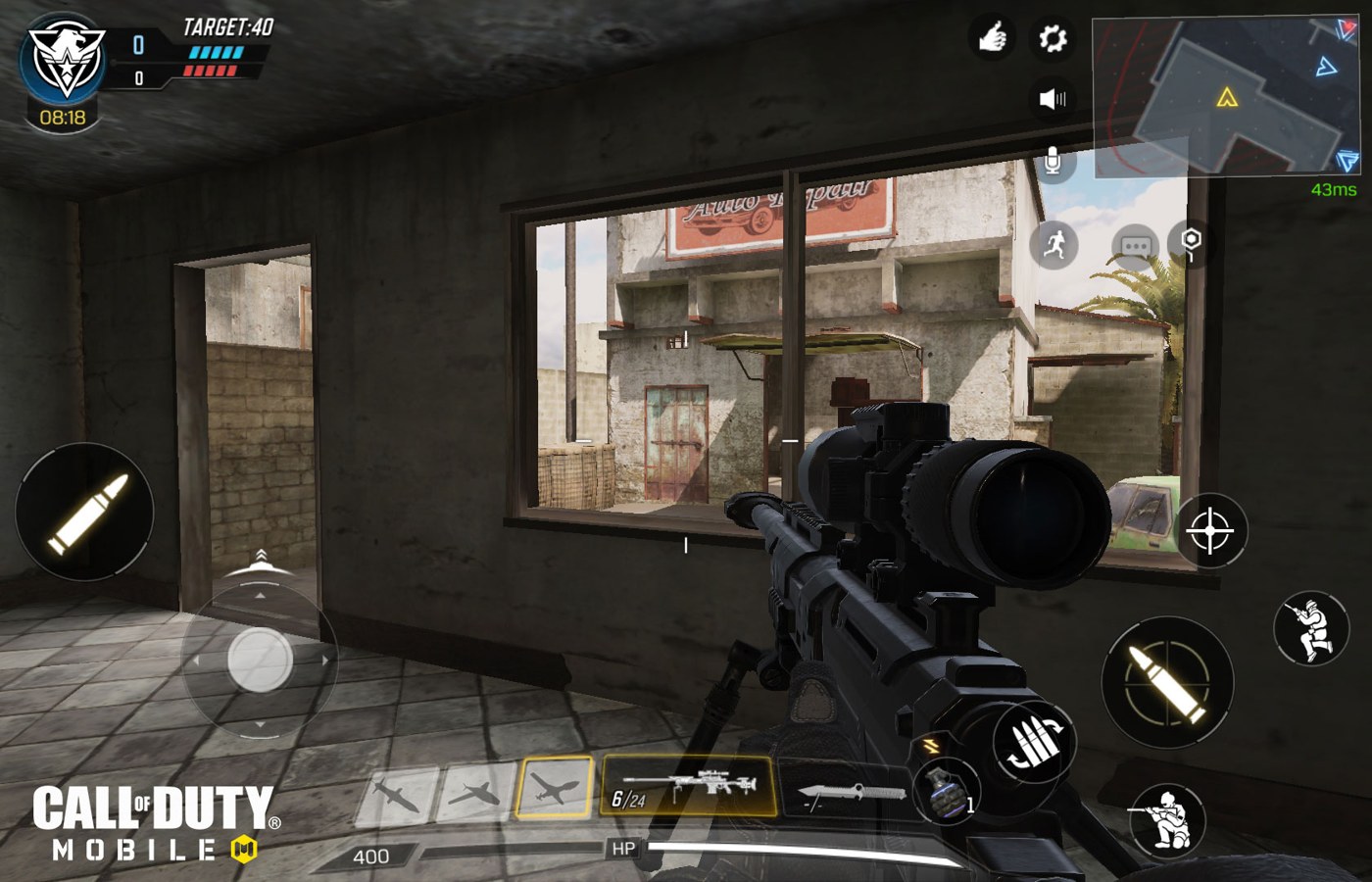
Choose the next stopping point
Plan a short movement between two recognisable pieces of cover rather than committing to a long route in one decision. Ask where you would stop if the first angle becomes contested. If the answer is the middle of an open space, choose a more manageable route or wait for information. Short decisions make it easier to revise a plan when teammates or opponents change position.
Keep the view near the next question
When moving toward an opening, point the view where useful information is most likely to appear. Avoid staring at the ground while turning into a contested area. The useful height and angle depend on the terrain and your current position; this is a way of thinking, not a fixed crosshair coordinate. Keep movement controlled enough that the view can keep up with the route.
Review the route instead of blaming aim
After a lost exchange, reconstruct the last safe stopping point. Did you leave it without checking another angle? Did you follow an opponent past cover? A preventable exposure can look like poor aim because you had too little time to respond. Pick one route error to change next match rather than trying to memorise every possible sightline at once.